Journal
What actually drives MOQ in cut-and-sew
Why a minimum order quantity follows the fabric, the colour count and the trims rather than a site-wide policy, and what a buyer can change to move it.
Buyers often ask for “your MOQ” as if it were a policy. In cut-and-sew it is closer to a calculation: the minimum is whatever makes the fabric, the dye lot, the trims and the line time add up for one style in one colour. That is why two styles from the same factory can carry different minimums.
The fabric sets the floor
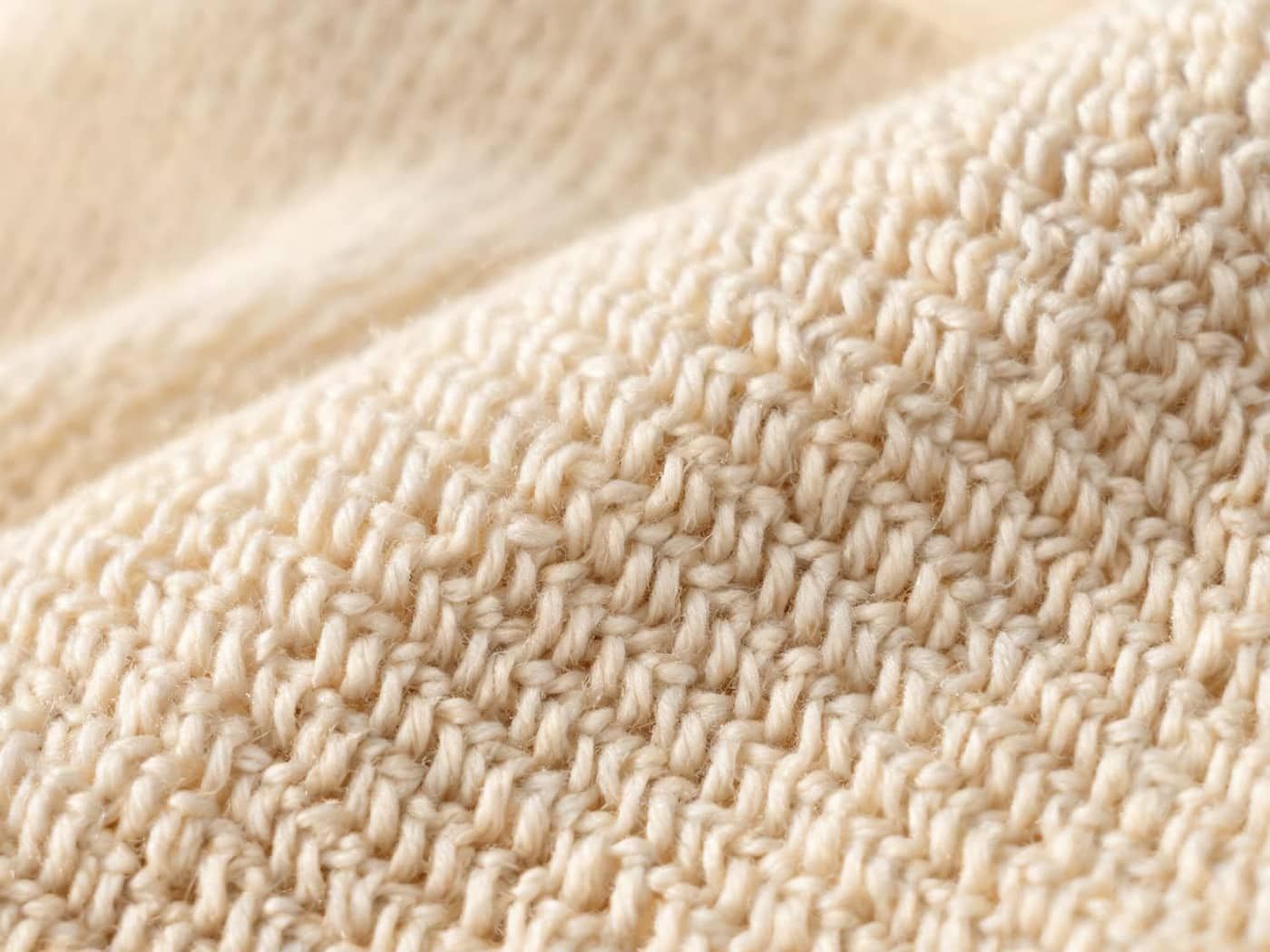
Stock fabric can be cut in a smaller run because it is already on the shelf. Fabric produced for the order starts at the mill, and the mill has its own minimum. No factory can cut below the quantity the mill will weave or dye.
Every colour is a separate run
Each colour is a separate dye lot. Two colours are two lots, even when the garment is identical. This is the single most common reason a minimum looks higher than expected: the buyer counted styles, while the factory counted styles times colours.
Trims have their own minimums
Custom woven labels, printed polybags and dyed drawcords are produced by other suppliers, each with a minimum of its own. A small garment order with custom trims can be held up by the label, not the fabric.
Development is a one-off cost
Pattern development and grading are paid once per style, whatever the order size. Spreading that cost across a larger order lowers the unit price without changing the minimum. It is a pricing effect, not a production one.
Line time is booked after approval
The line is reserved after the sample is approved, and factory capacity is finite. A minimum also protects the slot: a run too small to fill a line is not scheduled ahead of one that does.
What a buyer can change
- Use a stock fabric and a standard colour instead of a custom development.
- Consolidate the colour card rather than adding a small run per colour.
- Use standard trims for the first order and switch to custom ones once volume supports them.
- Start with a style the factory already runs, which removes pattern development from the first order.
None of this turns a minimum into a promise. It changes which inputs are open when the quotation is written. That is why asloom quotes a figure per style and colour, with the inputs named, rather than publishing one number that would be wrong for most briefs.